
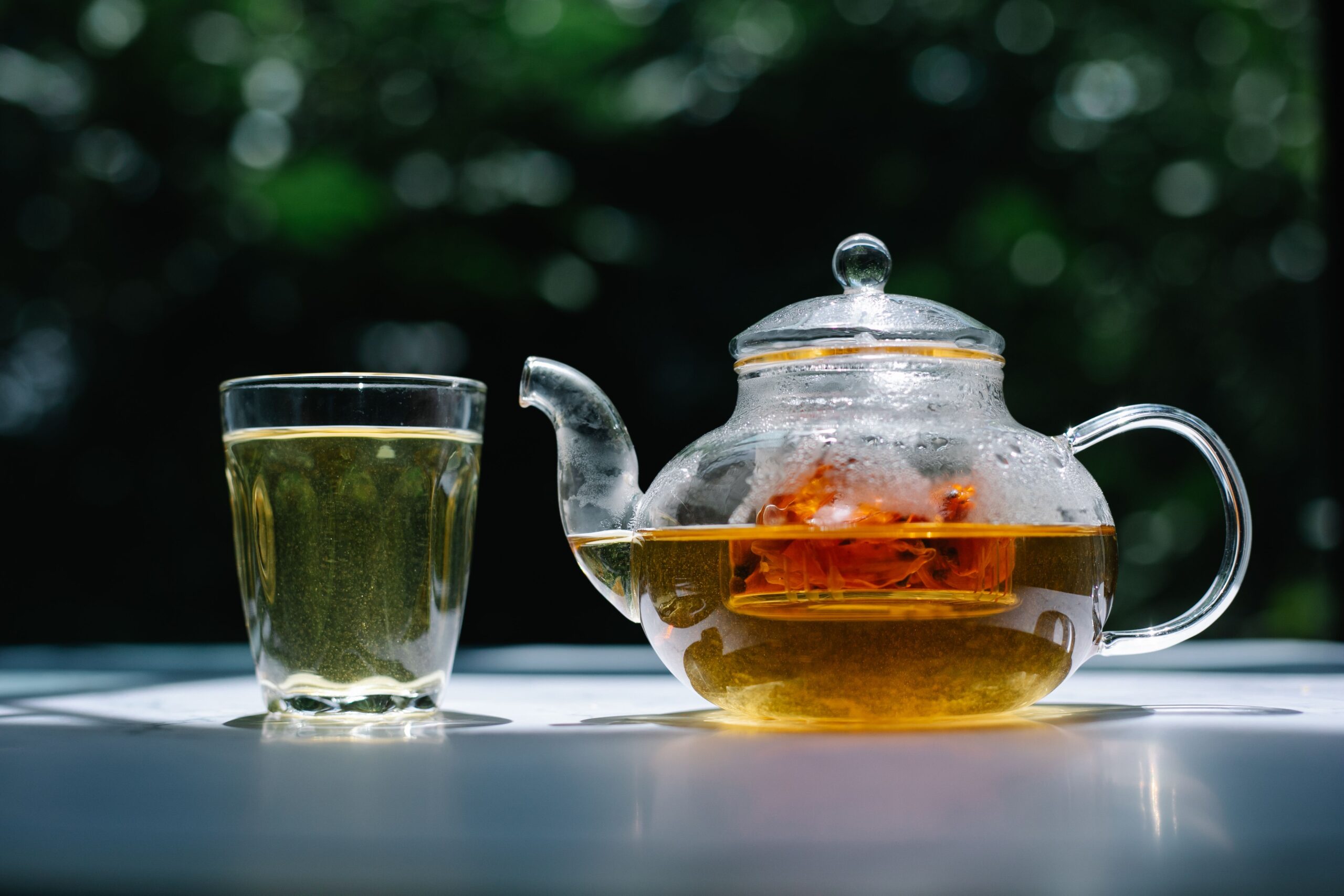
I love unsweetened tea and hate coffee—which probably makes me slightly un-American and definitely an anathema in the South, where taking your tea without sugar is practically a crime. But I love tea, and I love gardening, so this topic combines two of my favorite things. And as it turns out, that cup of tea can have a place in the garden, too.
Adding certain types of tea to your garden beds may help increase nitrogen and, over time, slightly lower soil pH. Nitrogen is an essential nutrient that plants primarily use to produce healthy foliage and support photosynthesis—the process by which plants make their own food.
But—and this is important—not all teas are created equal when it comes to your garden. Some are perfectly fine to use, while others should stay firmly in your teacup, particularly those containing additives such as artificial sweeteners. Before you start pouring your leftover tea onto your plants, it’s helpful to understand what we actually mean by “tea” and how different types can affect your soil and plants. Here’s a general guide to using tea in the garden.
What Is “Tea”?
Tea, in its truest form, comes only from the leaves of Camellia sinensis. Black, green, white, and oolong teas all come from this same plant; the difference is how the leaves are processed. Drinks made from herbs or flowers, such as chamomile, peppermint, or hibiscus, are technically tisanes, or herbal infusions—not true teas.
Then there are the garden “teas”: compost tea, seaweed tea, banana-peel tea, and other homemade concoctions. We casually use the word “tea” for all of them, but they are very different products and can behave very differently in your garden.
How Does Tea Lower Soil pH?
True tea contains tannins and other naturally occurring compounds that can contribute to acidity. Black tea tends to contain more tannins, while green and white teas generally contain less. Because of this, repeatedly adding tea to soil may have an acidifying effect over time. This makes tea a better fit for acid-loving plants such as blueberries, azaleas, and gardenias. On the flip side, you should be more cautious about using tea around plants that prefer neutral or alkaline conditions, including lavender and geraniums.
One important caveat: a few cups of tea aren’t going to dramatically change your soil pH. Think of tea as a small supplement rather than a soil amendment or pH-control strategy. If you’re trying to correct your soil’s pH, a soil test is a much better place to start. And even with acid-loving plants, tea should be used occasionally rather than as a replacement for regular watering. In other words: enjoy your tea, share a little with your garden, and don’t expect it to perform miracles.
What Is This Social Media Obsession with Watering Your Garden with Chamomile Tea?
If you’ve spent any time on gardening social media lately, you’ve probably seen the advice: water your seedlings with chamomile tea! But does it actually work—or is this just another viral gardening hack? There’s some truth behind it, but probably not for the reason you think.
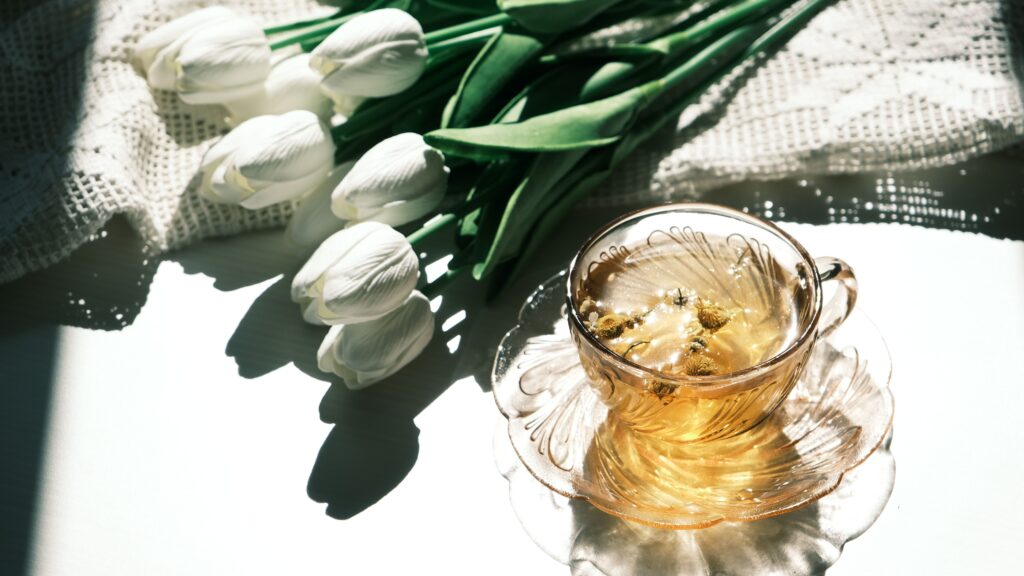
Chamomile isn’t actually tea. It’s an herbal infusion, or tisane, and contains very little tannin, so it won’t significantly affect your soil’s pH. Where chamomile can be useful is with young seedlings. A weak, cooled chamomile infusion may have mild antifungal properties and can be used as a gentle preventative against damping-off, a fungal disease that can quickly kill delicate seedlings.
To try it, brew a weak batch of chamomile tea, allow it to cool completely, and lightly mist the seedlings and soil surface. You can do this a few times a week, making sure the foliage has a chance to dry between applications. And if you spot that telltale white, fuzzy growth developing on the surface of your seed-starting mix, that’s your cue to take action.
So, is chamomile tea a miracle garden cure? No. But as a simple, low-risk preventative for damping-off, there’s a reason this particular gardening hack has stuck around.
Are there other homemade tea options? Do they work?
“Plant tea”—made from comfrey, stinging nettles, seaweed, or other healthy garden plant material is a fabulous inexpensive fertilizer. It’s a way to recycle nutrients that would otherwise go to waste, and it’s often gentler on plants than many synthetic fertilizers.
Seaweed:
If you live near the coast, seaweed makes an outstanding plant tea fertilizer. Simply rinse the seaweed to remove excess salt, chop it into pieces, cover it with fresh water, and let it steep in a covered bucket for three to six weeks. Strain the liquid and dilute it at about one part fertilizer to ten parts water before applying it. While kelp isn’t a complete fertilizer, it’s rich in trace minerals and natural growth hormones that promote healthy, resilient plants.
Comfrey:
Comfrey tea is a powerful organic fertilizer that is especially high in potassium, making it ideal for supporting flowering, fruit production, root development, and overall plant health. It is particularly beneficial for crops such as tomatoes, potatoes, and fruit trees.
To make comfrey tea, harvest fresh leaves (preferably from a sterile variety such as Bocking 14 Russian comfrey) and fill a bucket or lidded container about one-third to one-half full with chopped or whole leaves. Submerge the leaves in water, weigh them down with a stone or brick if needed, and cover the container tightly. Let the mixture ferment in a secluded area for three to six weeks until it breaks down into a dark, nutrient-rich liquid. The finished fertilizer can then be diluted before applying it to plants.
One important note: if you plan to grow comfrey specifically for fertilizer production, choose a sterile variety such as Bocking 14. Many other comfrey varieties can spread aggressively and become difficult to control in a garden setting. Bocking 14 gives you all the benefits of comfrey fertilizer without the risk of it taking over your landscape.
Banana Peels:
You can also make a nutrient-rich “tea” from banana peels. While it’s not a true tea, soaking banana peels in water extracts potassium, magnesium, phosphorus, and small amounts of calcium and zinc—all nutrients that support healthy plant growth. Potassium, in particular, is essential for strong stems, abundant flowers, and high-quality fruit.
To make banana peel tea, simply soak several banana peels in a bucket or jar of water for 24–48 hours. Dilute the liquid with five parts water before applying it around flowering vegetables and fruiting plants. When you’re finished, add the peels to your compost pile, worm bin, or bury them directly in the garden so none of the nutrients go to waste.
Garden Clippings Tea:
To make a simple hodgepodge tea that is packed with beneficial nutrients, including nitrogen, fill a bucket halfway with grass clippings, comfrey, nettles, or healthy garden weeds, add a handful of compost or garden soil, cover with water, and let it steep for two to four weeks. Strain the liquid and dilute it until it resembles weak tea—about one part concentrate to 10–20 parts water.
Rooibos Tea:
Another tea to use if you don’t want to lower your soil pH but would like to naturally increase the nitrogen in your soil is rooibos tea. Because it’s naturally very low in tannins, it won’t significantly alter soil pH and can be used on most plants. Many gardeners also find it encourages healthy root development. As a bonus, spent rooibos tea leaves can be sprinkled around young seedlings, where they may help discourage snails.
The key takeaway is that not all teas are created equal. Chamomile is excellent for seedlings, rooibos is a gentle all-purpose option, and banana peel tea provides an inexpensive source of nutrients for flowering and fruiting plants.
One last—and very important—thing to remember: not every “tea” belongs in your garden. Here are the ones you should NEVER use:
Tea can be beneficial in certain situations, but it should be used thoughtfully rather than as a replacement for regular watering. Never apply hot tea to plants, as it can scorch leaves and damage roots. Always allow it to cool completely before use. Tea should also be used sparingly—no more than once or twice a month for established plants. Your garden should still receive the vast majority of its water from rain or plain tap water.
Avoid using teas that contain sugar, artificial sweeteners, milk, cream, or other additives. Sugars and dairy products can attract ants, flies, rodents, and other pests, while artificial sweeteners and flavorings may be harmful to soil microbes and sensitive plant roots.
Finally, remember that different teas have different effects. Black and green teas contain tannins that can gradually lower soil pH, making them suitable only for acid-loving plants. When in doubt, use plain water—tea should be viewed as an occasional supplement, not a substitute for proper watering. Like many home gardening remedies, tea has its place—but the key is matching the right type of tea to the right plant and using it correctly.