
One of the biggest lessons gardening has taught me is that there’s an exception to almost every rule. In fact, the older I get, the more I realize that the answer to most questions is simply, “Well, it depends.” When I was first learning the craft, I believed a lot of gardening “rules” that turned out to be more like guidelines. Here are a few of the misconceptions I had along the way and the lessons they taught me. I hope you find them as interesting and helpful as I did.
Myth #1: Bagged compost will set your garden up for success.
I’ve heard the story countless times: someone buys a few plants, grabs a bag of compost from a big-box store, maybe mixes in some cow manure, plants everything, and then wonders why the plants struggle.
The problem is that many bagged composts are mostly wood chips treated with fertilizer. At first, they seem rich and nutritious, but after a few rainfalls the fertilizer washes away, leaving behind wood chips that haven’t fully decomposed. Those chips can take six months to a year, or even longer, two to three years if left undisturbed, to become usable organic matter.
That’s why I’m careful about the compost I use for my clients. I look for compost that’s already well broken down and ready to improve the soil from day one.
Real compost is a labor of love. It’s made from leaves, grass clippings, kitchen scraps, wood ash, and other organic matter that have been carefully managed and allowed to decompose. The result is nutrient-rich “black gold” that improves soil structure, feeds beneficial microbes, and gives plants the foundation they need to thrive.
Because it takes time to produce, high-quality compost isn’t cheap, and you usually won’t find it stacked on pallets outside a big-box store. More often, the best compost is found in a backyard compost pile or at a local landscaping company, where a well-tended pile has been quietly breaking down for months. That’s where the real black gold is hiding.
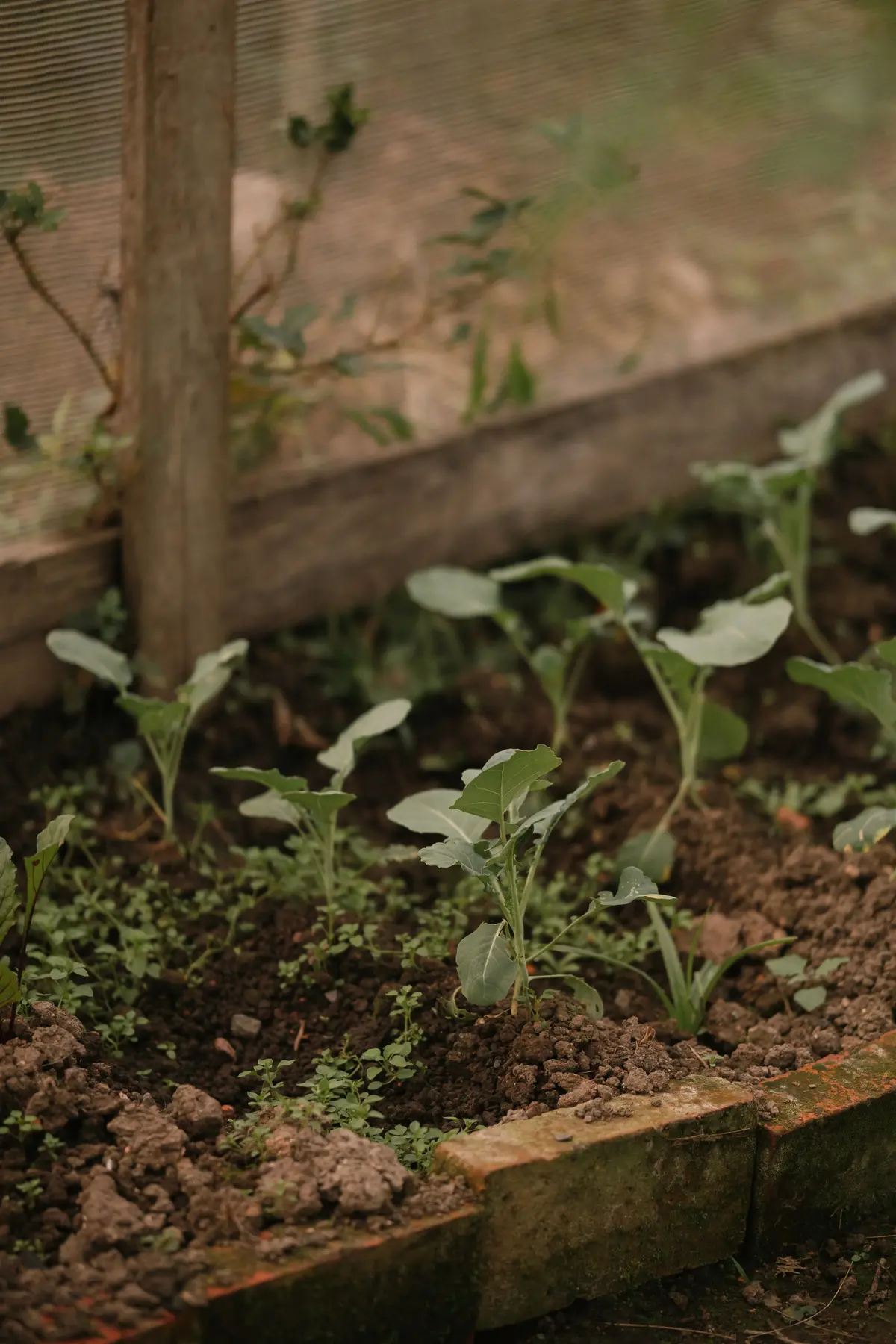
Myth #2: If the plant tag says, “Full Sun,” you can plant it in direct sunlight and forget about it.
Not so fast. A plant’s ability to handle full sun depends on your region, climate, and rainfall. While “full sun” generally means six to eight hours of sunlight per day, it doesn’t tell you what kind of sun.
Morning sun is gentle and ideal for many plants. Afternoon sun, especially in southern states like Texas and Georgia, is much more intense. It can scorch leaves and dry out the soil quickly unless the plant has natural adaptations like narrow leaves, waxy coatings, or thorny stems.
Agapanthus, also known as Lily of the Nile, is a perfect example. In Wisconsin, I grew it in full afternoon sun on my driveway, and it thrived. In Texas, that same plant performed much better in dappled shade with regular watering. Then in coastal Georgia, I’ve seen Agapanthus blooming beautifully while ignored and standing tall beneath a west-facing Waffle House sign, where it receives afternoon shade and benefits from the area’s daily afternoon summer rain.
The lesson? “Full sun” is a guideline, not a guarantee. Always consider your local climate, rainfall, and the intensity of the afternoon sun before deciding where to plant.
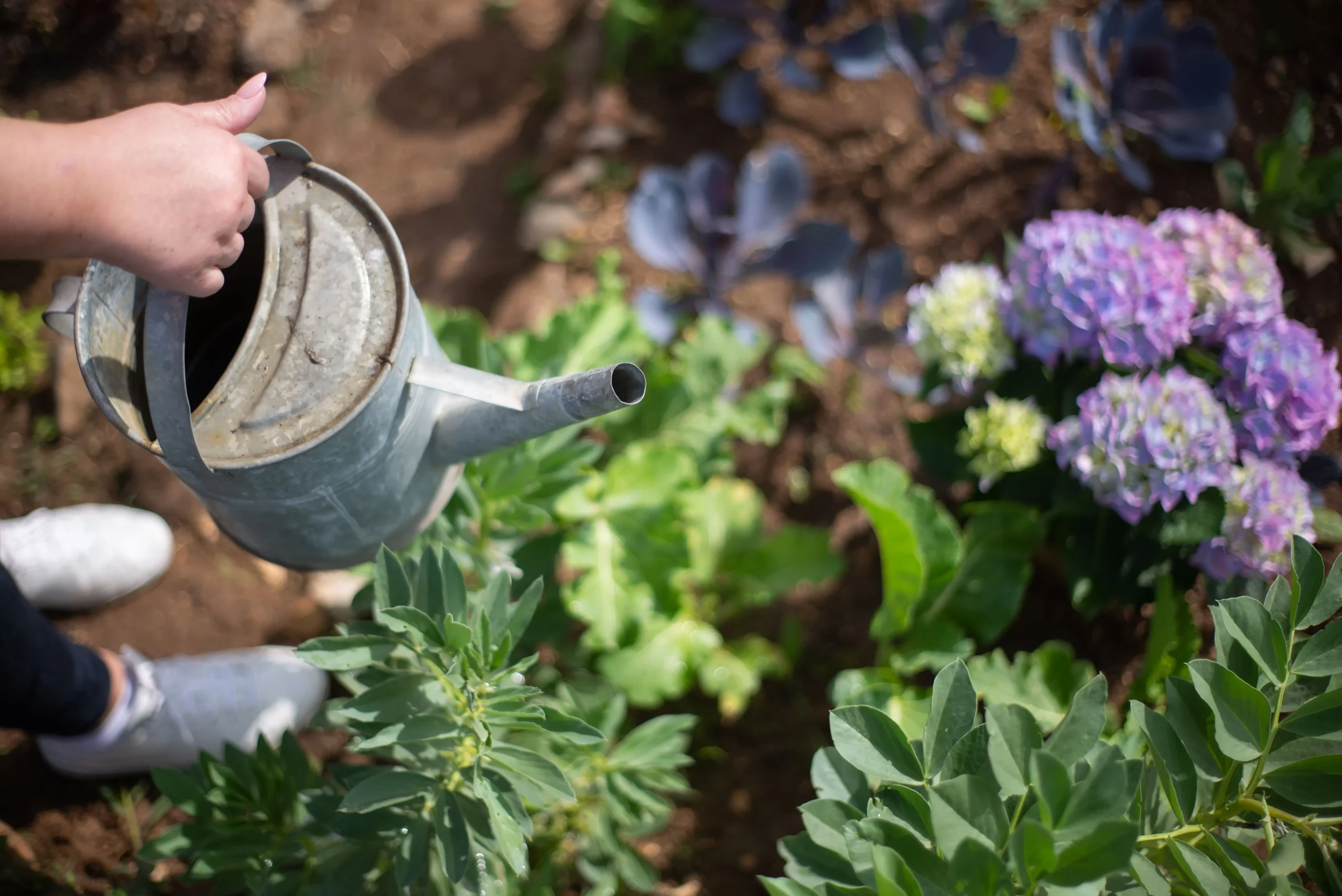
Myth #3: You must follow plant spacing labels exactly.
Not necessarily.
Plant tags provide helpful spacing guidelines, but they’re not absolute rules. The right spacing depends on the plant itself and how you’re growing it, whether it’s climbing a trellis, growing in a raised bed, or planted directly in the ground.
Perennial flowers can often be planted a little closer together than vegetables, which generally need more space to access water and nutrients. That said, spacing recommendations exist for a reason. Good airflow helps prevent disease, reduces overcrowding, and gives plants room to reach their mature size.
If your goal is a garden that looks full and established in its first year, you can plant a bit more closely. Just know that in a year or two, you’ll likely need to divide, transplant, or remove some plants as they mature.
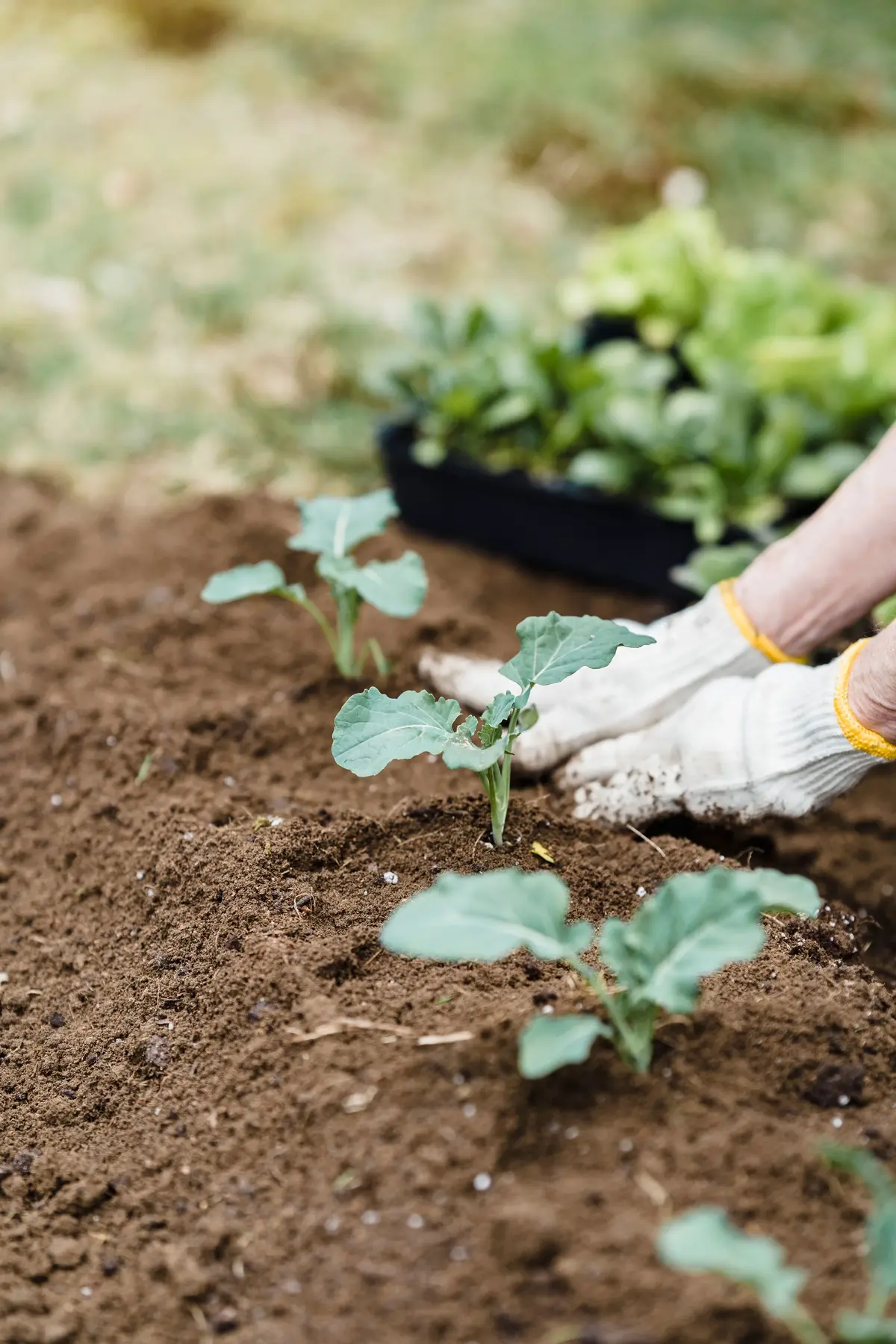
Myth #4: You have to keep every garden bed perfectly weed-free.
Actually, you don’t. Not every “weed” is a bad thing. Some plants improve your soil by adding nutrients, protecting it from erosion, and crowding out more troublesome weeds.
Clover is a great example. It pulls nitrogen from the air and converts it into a form plants can use, helping to naturally enrich the soil. Its extensive root system also loosens compacted ground while acting as a living mulch.
When you’re ready to remove it, clover is surprisingly easy to pull. Simply water the area, let the soil soak for a bit, and the plants usually come right up. Unlike many weeds, it doesn’t have sticky sap, sharp thorns, or irritating leaves, making it one of the friendlier volunteers to have in your garden.
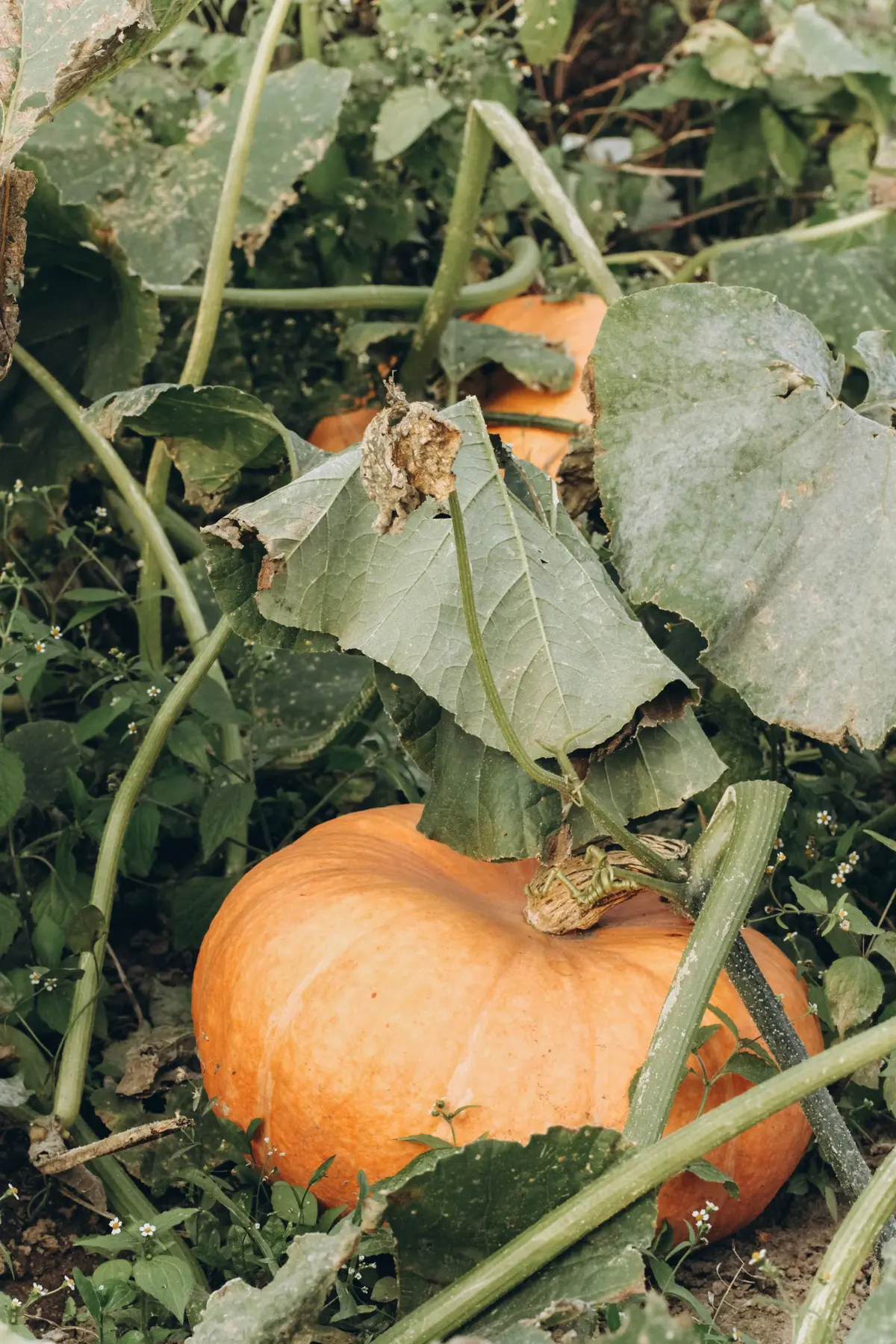
Myth #5: You need a lot of space to grow pumpkins.
False! One of the best-kept secrets in gardening is that you can grow pumpkins vertically.
I like to plant mine in July, so we have plenty for the kids to decorate at Halloween. They love watching the vines climb, the bright yellow-orange flowers bloom, and the tiny pumpkins slowly grow into a colorful harvest.
Instead of letting the vines sprawl across the ground, train them up a sturdy trellis. Choose smaller varieties like Jack Be Little or Little Gem, and as the pumpkins develop, support them with simple slings made from old T-shirts or pantyhose tied to the trellis.
Just remember: pumpkins are thirsty plants. Keep the soil consistently moist with deep, regular watering, and they’ll reward you with a great harvest.
Happy gardening!
If you have any questions or need a bit more guidance, please don’t hesitate to reach out.