September is the perfect time to get back into the garden. The temperatures have finally started to cool, making it much more pleasant to spend time outside—and after a month of neglect in the August heat, your garden is probably begging for some attention. But with so much to do, where do you start?
Pull on your wellies, grab your gardening gloves, and let’s get to work. Here are four tasks to prioritize this September to get your garden cleaned up, refreshed, and ready for winter.
1. TRIM: Yew, Rosemary, Thyme & Blackberries
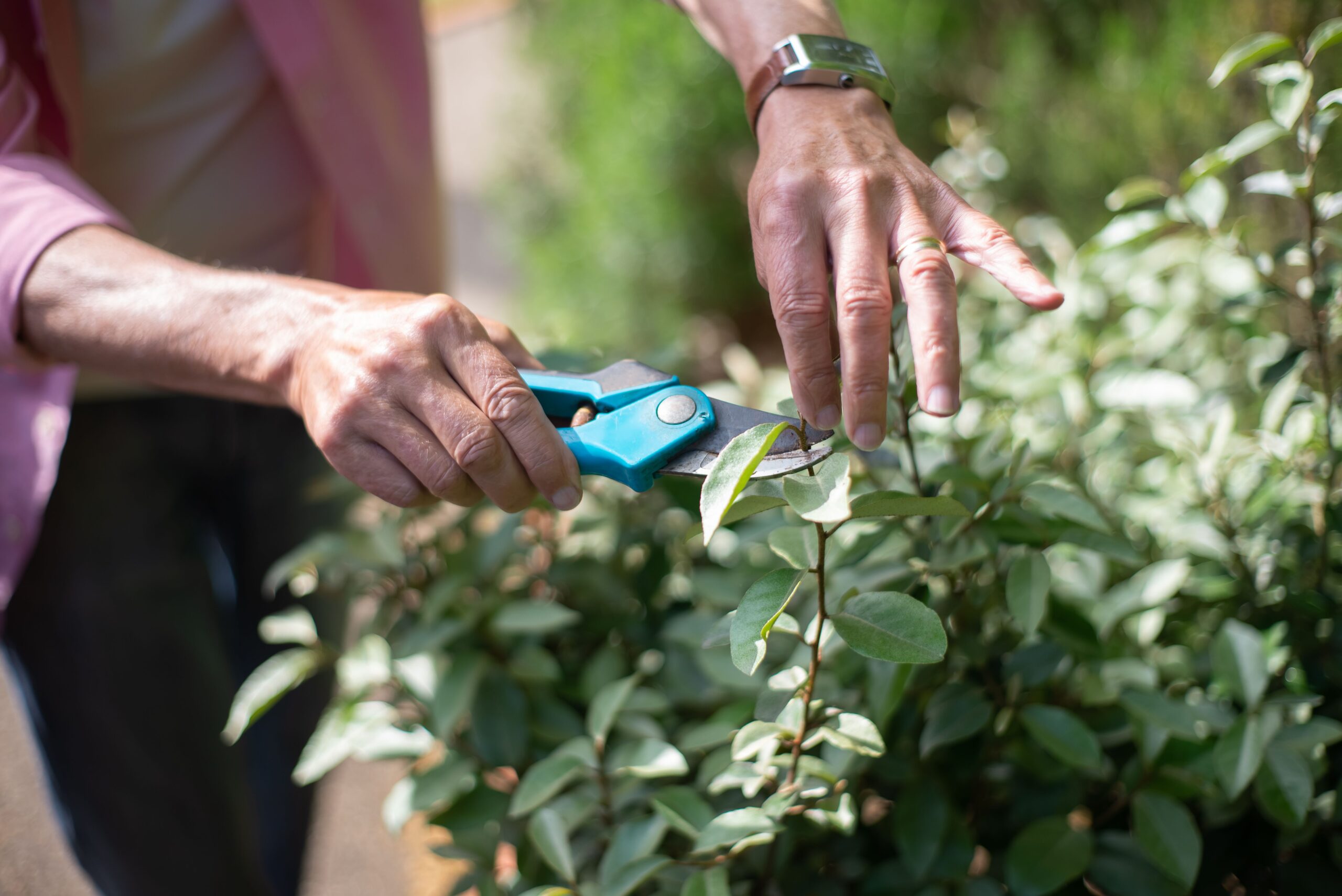
September is a great time to tackle a few plants that benefit from a good haircut. Yew is one of those shrubs that can tolerate late-season pruning, so now is a good time to trim it back into shape.
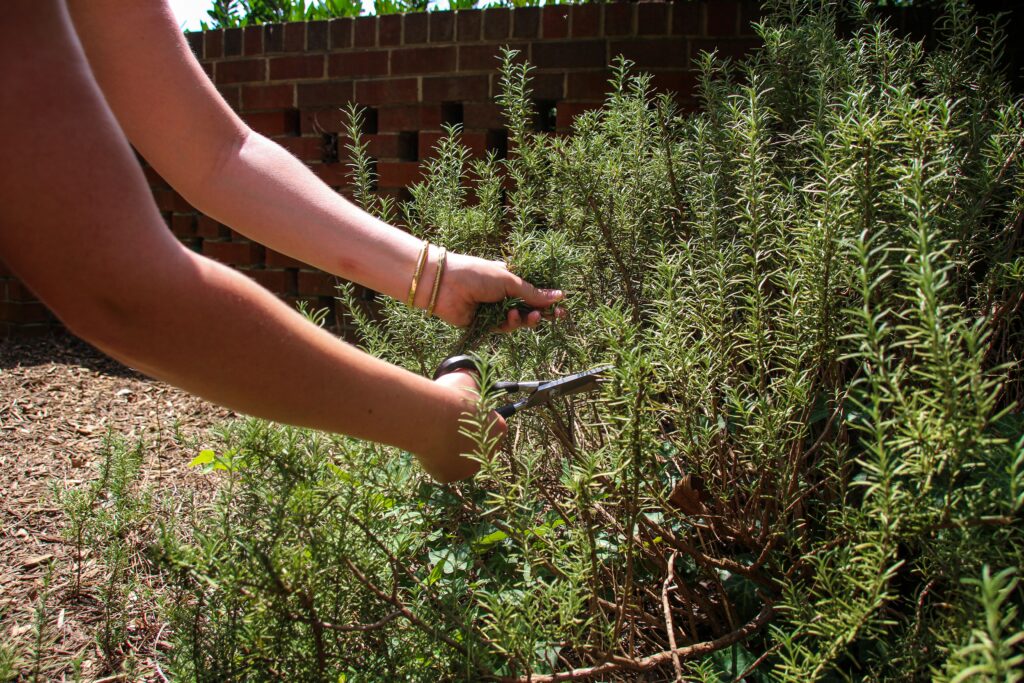
Rosemary is a surprisingly misunderstood plant when it comes to pruning. It can tolerate a fairly heavy trim and can be shaped into a hedge, a globe, or just about anything else you can dream up. Just don’t remove more than about one-third of the plant at a time. Regular pruning encourages fresh, tender growth and helps prevent the plant from becoming overly woody and developing those unsightly bare spots that can ruin an otherwise beautiful topiary.
Thyme can also benefit from a late-season trim. If you haven’t been regularly harvesting it for the kitchen, those stems may have become long and woody. After the first frost, trim back about one-third of the plant, focusing on the older growth. This will encourage fresh growth next season.
And finally, blackberries. Once they’ve finished fruiting, cut the old, spent canes back to the ground and remove any dead, damaged, or excessively overgrown side shoots. This will keep the plant manageable and encourage productive new growth next year.
2. WEED: Everything.
September is generally when the rain starts making a comeback, which means it’s also prime weeding season. Take advantage of the rain. Weeding is much easier when the soil is damp, so get out there shortly after a good rainfall and pull those weeds while the roots are willing to cooperate. For the particularly stubborn weeds growing between pavers, you can bring out the heavy artillery: my all-time favorite tools—a power washer or a butane weed torch. One blasts them away; the other burns them into oblivion. Both are deeply satisfying.
3. REMOVE: Old Pine Straw & Refresh Your Mulch
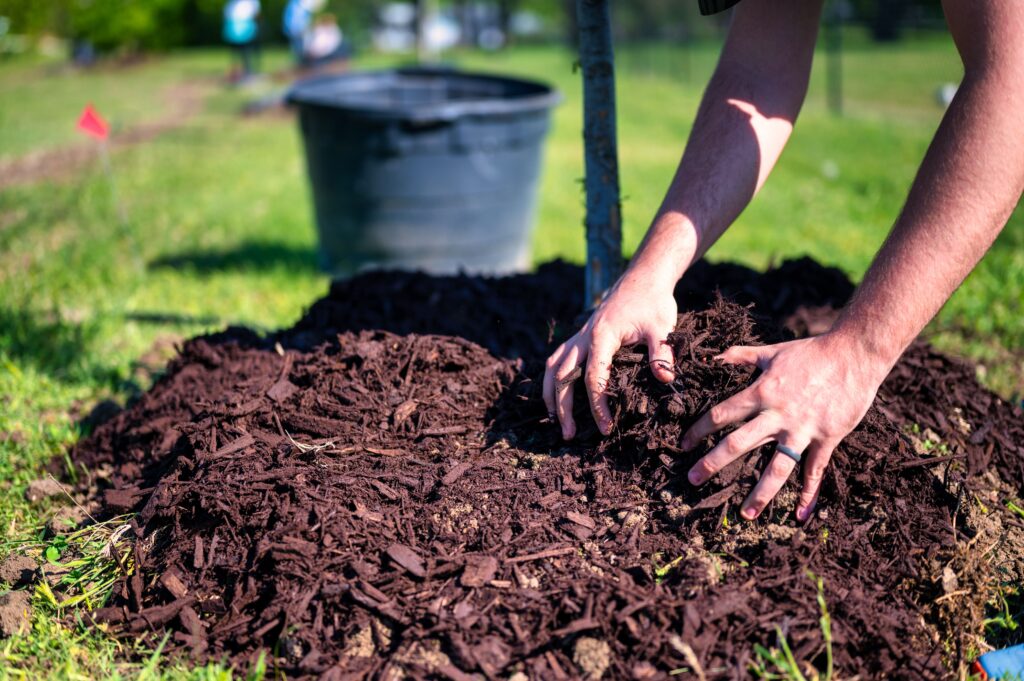
September is a great time to remove old, decomposing pine straw and replace it with a fresh layer. It’s also an ideal time to add mulch to your garden beds if they’re looking a little bare.
Think of mulch as a warm blanket for your plants during winter. It helps insulate the soil, moderate temperature swings, retain moisture, and reduce erosion. This is especially helpful in warmer climates, including the South, where fluctuating temperatures can create repeated freeze-and-thaw cycles that can stress or damage plants. Just don’t pile it directly against the trunks or stems of your plants. A little breathing room goes a long way.
4. PLANT: Almost Everything!
If you’re going to plant something new, fall is your friend. September is an excellent time to get new plants in the ground, giving their roots time to establish before the coldest weather arrives. It’s also the perfect time to plant many spring-flowering bulbs, depending on your climate and the bulb variety.
One important rule when planting in the fall: go easy on the nitrogen. High-nitrogen fertilizers encourage lush foliage and tender new growth—which is exactly what you don’t want heading into winter. Instead, focus on supporting root development and overall plant establishment by opting for a fertilizer that is higher in potassium or phosphorus.
That said, a soil test is always the best way to determine what your garden actually needs rather than automatically reaching for a bag of fertilizer. Your local agricultural extension office can usually perform one for just a few dollars, so take advantage of the service! And don’t be shy about asking for help. That’s what they’re there for. Many extension offices also have Master Gardener hotlines where you can get free advice on everything from plant problems to pests and soil issues. My local extension office in Chatham County even offers complimentary site visits to help assess garden problems. As a Texas and Georgia Master Gardener I can say we are here to help—and trust me, we love talking about plants.
September is all about setting your garden up for success. Do a little work now, and you’ll be rewarded with healthier plants, fewer problems, and a much happier garden when spring rolls around.