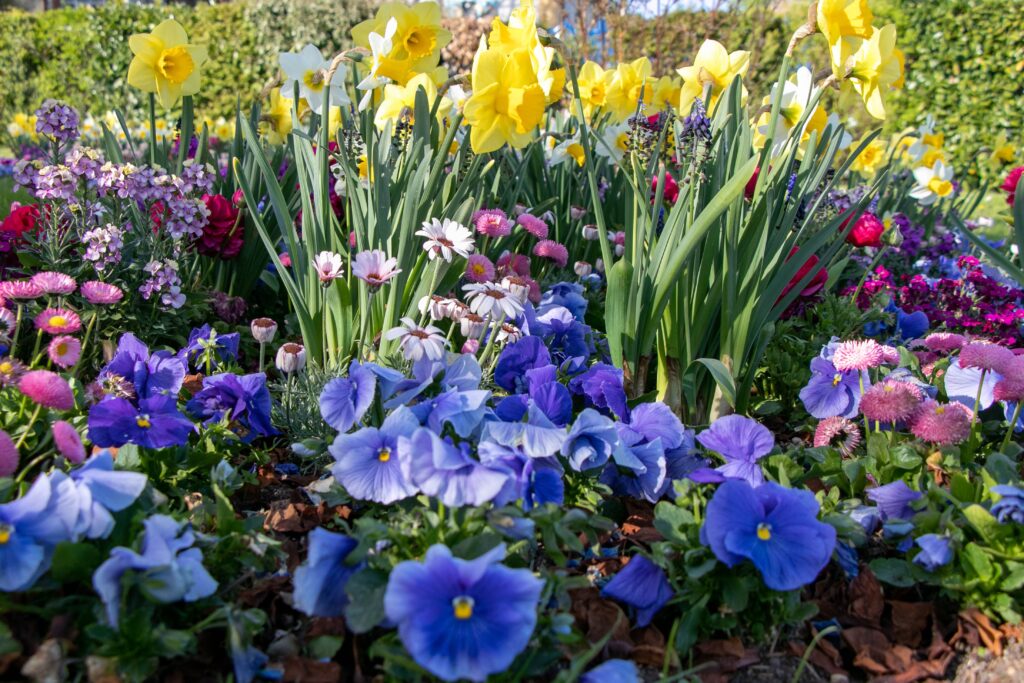
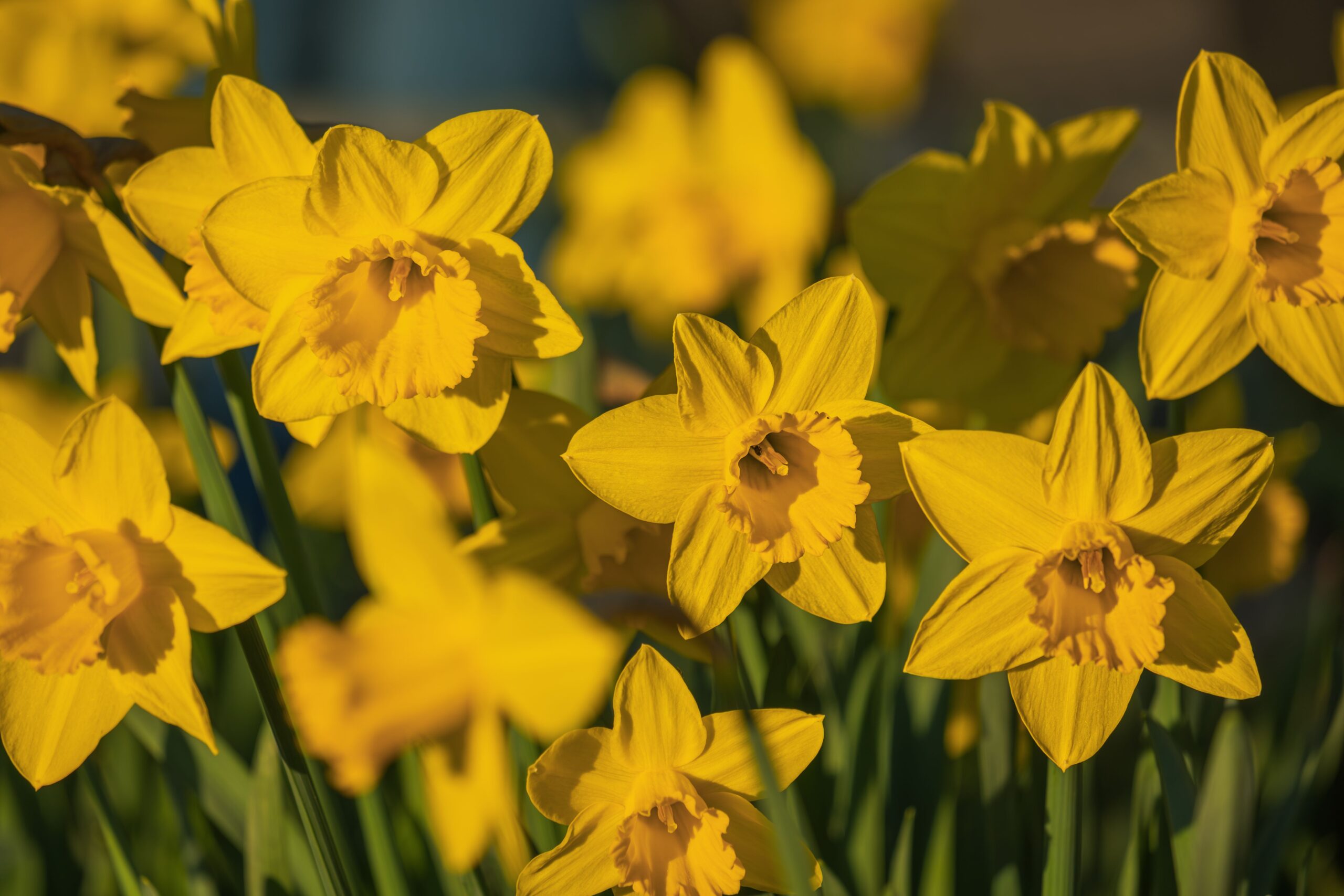
One of my favorite seasons is spring. I love watching bright, cheerful flowers emerge from the snow or bare garden beds, bringing color and life back to the landscape after a long, dreary winter. But a beautiful spring garden doesn’t happen by accident—it starts with preparation the previous fall.
Gardening in the South comes with its own unique challenges, especially when it comes to planting bulbs without the deep winter freeze they experience farther north, combined with our high humidity. Here are my tips for creating a spring garden bursting with beautiful daffodils in the South.
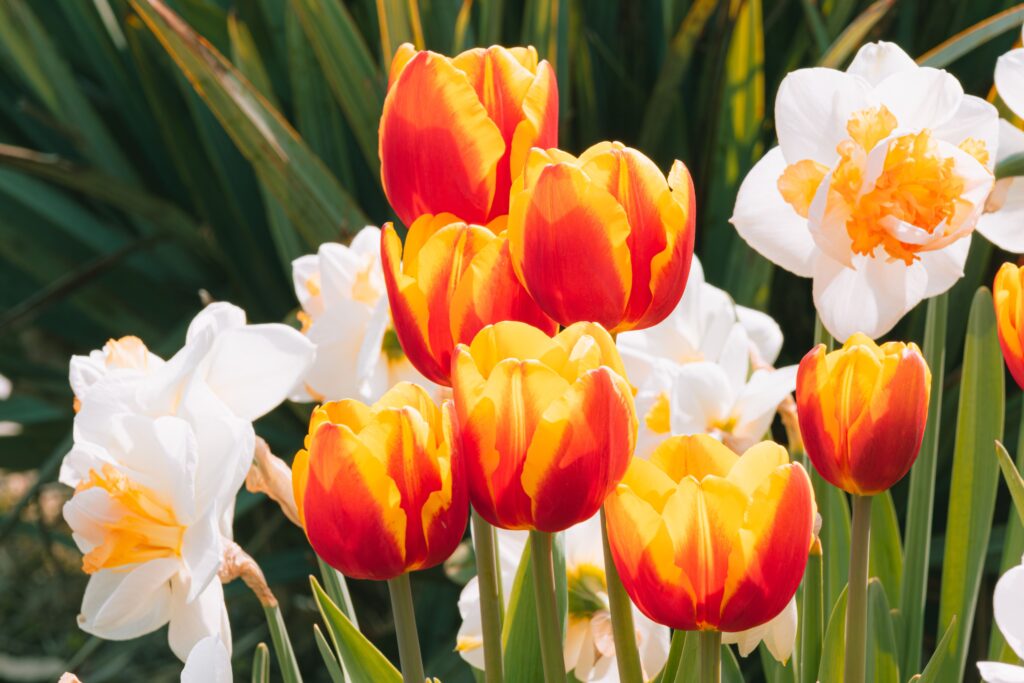
- Start by choosing the right location. Daffodils prefer full sun to partial shade, but because they are such early spring bloomers, you have more flexibility with placement than you might think. Many varieties will perform beautifully beneath deciduous trees because they bloom before the trees leaf out. Just make sure the location receives at least 4–6 hours of sunlight. It’s also important to check the requirements of the specific variety you’re planting, as some daffodils perform particularly well in partial shade or dappled light.
- Give them room to grow. Avoid overcrowding your bulbs. When daffodils are planted too closely together, they can become congested and may not flower as vigorously. Give the bulbs adequate space so they can multiply and develop healthy root systems.
- Pay attention to your soil. Good drainage is essential. Daffodils do not like wet feet, so choose a location with well-draining soil. Heavy clay can be particularly challenging because it holds too much moisture. If you’re planting in clay, consider amending the soil to improve drainage.
- Give the bulbs a good start. When planting, you can add a bulb fertilizer such a bone meal to the planting hole. Choose a fertilizer that is higher in phosphorus and potassium rather than nitrogen. At this stage, we want the bulb to focus on establishing strong roots and preparing for next spring’s flowers—not producing excessive foliage. High-nitrogen fertilizers encourage leafy growth, which isn’t what we’re after when planting bulbs in the fall.
- Plant at the proper depth. In areas where winters are particularly cold, make sure the bulbs are planted at least 3 inches beneath the soil, or follow the depth recommended for your particular variety. Proper planting depth helps protect the bulbs from temperature fluctuations and gives them the conditions they need to establish successfully.
- Choose healthy, substantial bulbs. When shopping, look for bulbs that are firm and plump rather than soft, shriveled, or dried out. Generally, the larger the bulb, the better the potential for flowering, so don’t be afraid to choose the biggest, healthiest bulbs you can find.
And there’s one more advantage to planting daffodils: you generally don’t have to worry about squirrels and other rodents digging them up. Unlike tulips, which can be a tempting snack for wildlife, daffodils are usually left alone. The plants contain lycorine, a bitter toxic compound, along with microscopic needle-like crystals that irritate the mouth. In other words, they’re beautiful to us—but not particularly appetizing to the local wildlife.
Now that we’ve covered the basics here is an important step for all my Southern gardeners: Know your environment and chill your bulbs if it’s too hot.
Like tulips, many daffodils need a period of consistent cold temperatures in order to flower properly. Depending on the variety, bulbs typically need 12–16 weeks of temperatures around 35–45°F to complete the chilling period required for flowering. This is one reason you don’t see certain daffodils perform as reliably in the Deep South.
That doesn’t mean gardeners in warmer climates have to give up on daffodils. If you live in coastal Georgia or South Carolina where I do and have your heart set on a beautiful container of daffodils this spring, you can do what I do and artificially chill the bulbs in your refrigerator. I also used to do this every year with my tulip bulbs, which also require chilling. I would dig them up in the fall, refrigerate them through December, January, and February, and then plant them out in March. That gave the bulbs the cold period they needed before going into the garden.
But always check your variety first. Not every daffodil requires the same amount of chilling. The Tazetta group, for example, is much more tolerant of warm climates and generally does not require an extended chilling period or any chilling at all. You can also purchase bulbs from certain retailers that have already been pre-chilled, which can be a great option for gardeners in warmer climates. And they often sell other pre-chilled spring favorites as tulips, crocuses, and hyacinths.
If you decide to chill your own bulbs, remember the refrigerator is your friend—but the freezer is not! Putting them in the freezer can damage the bulbs and leave you with little more than mush when it’s time to plant. Place the bulbs in a ventilated mesh bag or a paper bag so they have some air circulation. And be careful about what you store alongside them. Keep bulbs away from ripening fruits such as apples, bananas, and pears, which release ethylene gas that can damage the developing flower inside the bulb and prevent it from blooming properly. Happy gardening!